

A dry cough—medically termed a non-productive or unproductive cough—produces no mucus or phlegm. Instead, it feels like a tickle in your throat that triggers an irritating, hacking sensation. This is fundamentally different from a wet cough, where your body is actively clearing mucus from your respiratory system.
Why this distinction matters: Using an expectorant (like ambroxol or guaifenesin) for a dry cough is not just ineffective—it can be harmful. Expectorants thin mucus to make it easier to cough up, which helps when you have congestion. But a dry cough has no mucus to clear. The irritation comes from inflammation or hyperresponsiveness of your airway, not from excess secretions. Forcing your body to produce mucus when it doesn’t need to only prolongs the cough.
A cough suppressant (antitussive) like dextromethorphan (DXM) works differently. It blocks your brain’s cough reflex center, calming the urge to cough at the source. For dry cough, this is the correct approach.
Clinical Causes of Dry Cough
Understanding what triggers your dry cough helps determine whether over-the-counter medication is sufficient or whether you need medical evaluation:
- Post-viral inflammation: The lingering cough after a cold or flu when infection has cleared but airway inflammation persists
- Allergic rhinitis: Airway hypersensitivity triggered by seasonal or year-round allergens (pollen, dust, mold, pet dander)
- Gastroesophageal reflux disease (GERD): Stomach acid irritating the throat and lower esophagus, especially when lying down
- ACE inhibitor medications: Blood pressure medicines (like enalapril or lisinopril) that cause persistent dry cough in 10-20% of users
- Asthma: Often presents as a chronic dry cough, especially at night or with exercise
- Smoking or air pollution: Environmental irritants causing airway inflammation
- Postnasal drip: Mucus draining from sinuses irritating the throat, often at night
Red flag: A persistent dry cough lasting more than 3 weeks, accompanied by shortness of breath, chest pain, or weight loss warrants immediate medical evaluation, as these can signal serious conditions like pneumonia, tuberculosis, or lung cancer.
How Dextromethorphan Works: The Antitussive Mechanism
Dextromethorphan is a synthetic compound derived from codeine, but without codeine’s addictive properties (when used at therapeutic doses). It functions as a selective antitussive by targeting the brain’s cough reflex center.
The Cough Reflex Pathway
Your cough reflex involves three steps:
- Sensory input: Irritant receptors in your airways detect irritation and send signals up the vagus nerve
- Processing: Your medulla (brain’s cough center) receives this signal and integrates it with emotional and conscious factors
- Motor output: Motor neurons trigger diaphragm and respiratory muscles to expel air forcefully (the cough)
DXM interrupts step 2—the processing stage. By suppressing the cough center in your medulla, it raises your cough threshold, reducing the urge to cough even when irritants are present. This is different from local anesthetics (like lozenges) that numb the throat.
DXM Pharmacokinetics: What You Need to Know
Onset of Action: 15-30 minutes for immediate-release formulations. This is slower than some expect, so plan accordingly. If you take DXM before bed, you’ll get relief within 30 minutes for nighttime cough suppression.
Peak Effect: 2-3 hours after ingestion. Maximum cough suppression occurs in the afternoon if you take it with breakfast.
Half-Life: 2-4 hours in most people (extensive metabolizers, ~92% of population). However, ~8-10% of people are “poor metabolizers” with genetic variations in the CYP2D6 enzyme, and in these individuals, DXM’s half-life extends to 19+ hours. This explains why some people experience longer-lasting relief—or prolonged side effects.
Duration: 4-6 hours for immediate-release syrup formulations. Extended-release suspensions last 8-12 hours.
Daily Dosing: Adults should take 10-20 mg every 4-6 hours, or 30 mg every 6-8 hours. Maximum: 120 mg per day (8 teaspoons of 15 mg/5ml syrup).
Why DXM Dosages Vary: Bioavailability and First-Pass Metabolism
If you notice DXM dosages seem low (10-20 mg) compared to other medicines, here’s why: DXM undergoes extensive first-pass metabolism in your liver. Only 1-2% of an oral dose actually reaches systemic circulation unchanged. The rest is converted to metabolites, primarily dextrorphan.
This is why DXM appears in low concentrations (15 mg/5ml) compared to, say, paracetamol (500 mg/tablet). The liver’s metabolism actually increases DXM’s effectiveness—dextrorphan (the primary metabolite) is also an antitussive. Manufacturers account for this when formulating doses.
Formulation variations you’ll notice:
- DXM Hydrobromide (HBr): Immediate-release, onset 15-30 minutes, duration 4-6 hours
- DXM Polistirex: Extended-release suspension, onset 30-60 minutes, duration up to 12 hours. Dosed as 60 mg every 12 hours, it provides longer relief with fewer daily doses.
8 Best Dry Cough Syrup for Adult: A Physician’s Comparison Table
| Brand Name | Active Ingredient | Concentration | Onset Time | Drowsiness Profile | Best Use Case | Price Range (₹) | Unique Feature |
|---|---|---|---|---|---|---|---|
| Benadryl DR (Non-Drowsy) | Dextromethorphan HBr | 15 mg/5ml | 15-30 min | Non-drowsy (no antihistamine) | Daytime; driving; work | 138.75 | Pure DXM without sedation; ideal for 6+ years & adults |
| Cofsils (Cipla) | Dextromethorphan HBr | 15 mg/5ml | 15-30 min | Non-drowsy | Budget-conscious; reliable brand | 92.81 | Generic quality; trusted manufacturer; affordable |
| Zedex | Dextromethorphan + CPM | Variable | 15-30 min | Non-drowsy | Quick-acting relief; acute dry cough | 179.53 | Fast absorption; pediatric variants available |
| Dabur Honitus | Herbal (Tulsi, Mulethi, Banafsha) | N/A (herbal) | 20-30 min | Non-drowsy | Preference for natural; sore throat + cough | 121 | Ayurvedic; alcohol-free; no synthetic drugs; honey-based |
| Chericof (Sun Pharma) | DXM + Phenylephrine + Chlorpheniramine | Combined | 20-40 min | Mild drowsiness | Chronic/allergic dry cough; long-term use | 131.25 | Multi-symptom; antihistamine reduces allergic cough; longer action |
| Himalaya Koflet | Herbal (Tulsi, Honey, Clove, Long Pepper) | N/A | 20-40 min | Non-drowsy | Chronic dry cough; mucolytic benefit | 117 | Dual action: mucolytic + antitussive; soothing honey base |
| Ascoril (GSK) | Variable by variant | Multiple options | 20-40 min | Variable | Multi-symptom (some formulations) | 158.4 | Different variants for wet/dry; established brand trust |
| FTOX-DX (Laafon Galaxy) | DXM + Phenylephrine + Chlorpheniramine | Combined | 15-30 min | Non-drowsy | Budget option; student/basic relief | 92 | Most affordable; house brand; acceptable efficacy |
Buy Any of Them:
If you want to buy any syrup; Click HERE
How to Choose “Best Dry Cough Syrup for Adult” from This List
For daytime use, driving, or work: Benadryl DR, Cofsils, Zedex, or FTOX-DX. These contain only DXM without antihistamines, so no drowsiness. Take 15-30 minutes before you need relief.
For nighttime use: Chericof (has mild antihistamine chlorpheniramine) or any pure DXM option. The antihistamine in Chericof may help you sleep while suppressing cough.
If you prefer natural ingredients: Dabur Honitus or Himalaya Koflet. These herbal syrups lack synthetic drugs and contain demulcent herbs that soothe throat irritation. They work slightly slower (20-40 minutes) but are alcohol-free and safe for long-term use.
For chronic dry cough: Chericof is specifically formulated for long-term use in chronic conditions like allergic cough or chronic bronchitis. Its multi-symptom approach addresses both the cough and underlying airway reactivity.
Adult-Specific Dosing, Safety & Driving Considerations
Recommended Dosing Schedule
For immediate-release DXM syrups (15 mg/5ml):
- Standard dose: 2 teaspoons (10 ml = 15 mg) every 4 hours as needed
- Strong dose: 3 teaspoons (15 ml = 30 mg) every 6-8 hours
- Maximum per day: Do not exceed 120 mg (24 teaspoons of 15 mg/5ml syrup)
For herbal syrups (Honitus, Koflet): Follow package directions; typically 2 teaspoons, 2-3 times daily.
When to Take It
- Dry cough at night: Take 30 minutes before bed for overnight relief (duration covers most of sleep)
- Daytime cough: Take as needed, but allow 15-30 minutes for onset; don’t expect instant relief
- Chronic dry cough: Consistent dosing (e.g., 3 times daily) may work better than on-demand; discuss with doctor if lasting >3 weeks
Driving Safety: Dextromethorphan vs. Diphenhydramine
Pure DXM (Benadryl DR, Cofsils, Zedex, FTOX-DX): SAFE TO DRIVE
DXM at therapeutic doses does NOT impair alertness, reaction time, or cognitive function. You can safely drive 30 minutes after taking it. However, avoid if cough is so severe it distracts from driving.
Diphenhydramine (older Benadryl formulations, some combination products): NOT SAFE TO DRIVE
Diphenhydramine is a first-generation antihistamine that crosses the blood-brain barrier and causes measurable impairment at doses as low as 25 mg—equivalent to one standard dose. This includes:
- Delayed reaction time
- Impaired coordination
- Cognitive dulling
- Drowsiness (onset 20-60 minutes, lasts 4-6 hours)
Bottom line: If the label lists “Diphenhydramine,” “Benadryl (Classic),” or you see “drowsiness” in side effects, do NOT drive for at least 4-6 hours after dosing. Benadryl DR (DXM only) is the safe daytime option.
Drug Interactions & When NOT to Take DXM
Avoid combined with:
- MAO inhibitors (psychiatric medications like phenelzine): Risk of hypertensive crisis
- SSRIs/SNRIs (antidepressants like sertraline, venlafaxine): Rare risk of serotonin syndrome
- Tramadol (opioid pain medication): Risk of seizures and serotonin syndrome
- Alcohol: Increases drowsiness and CNS depression
- Other CNS depressants (sedatives, antihistamines): Additive sleepiness
Safe combinations:
- Paracetamol or ibuprofen: Okay; often combined in multi-symptom products
- Vitamin C or honey lozenges: Complementary; safe together
- Nasal decongestants (pseudoephedrine): Safe; address different symptoms
If you take prescription medications, mention DXM cough syrup to your doctor before buying it OTC.
Top Brands Reviewed: Detailed Breakdown
1. Benadryl DR (Non-Drowsy) – Best for Adults Who Need Alertness

Composition: Dextromethorphan HBr 15 mg/5ml (note: “DR” = Dry Cough, NOT diphenhydramine)
Why it works: Pure DXM without antihistamines means complete absence of drowsiness. Diphenhydramine (sedating antihistamine) has been removed from this formulation, making it ideal for daytime.
Dosing: 2 teaspoons every 4 hours; max 8 teaspoons daily
Onset: 15-30 minutes; peak effect at 2 hours
Price: ₹110-130 per 100ml bottle
Pros:
- No drowsiness; safe to drive
- Well-established brand; trusted by doctors
- Consistent quality (Johnson & Johnson)
- Available in most pharmacies and online platforms
Cons:
- Slightly more expensive than generics
- Some users report less “soothing” effect (no demulcents like honey)
Best for: Corporate professionals, drivers, students, anyone needing to stay alert while managing cough
Verdict: If you need daytime dry cough relief without cognitive impairment, Benadryl DR is the safest pharmaceutical choice.
2: Cofsils (Cipla) – Best Budget Option Without Compromise

Composition: Dextromethorphan HBr 15 mg/5ml
Why it works: Same active ingredient as premium brands at a 40% discount. Cipla is India’s most trusted generic manufacturer with WHO-GMP certification.
Dosing: 2 teaspoons every 4-6 hours; max 8 teaspoons daily
Onset: 15-30 minutes
Price: ₹69-97 per 100ml bottle (often on sale for ₹60)
Pros:
- Significantly cheaper than Benadryl DR
- Cipla’s manufacturing reputation ensures quality
- Widely available; included in government medical schemes
- Identical efficacy to premium brands
Cons:
- Packaging less appealing than branded competitors
- Smaller bottle size in some stores (50ml options)
Best for: Price-conscious adults; long-term management of chronic dry cough; patients in lower income brackets
Verdict: If cost is a factor, Cofsils delivers identical pharmaceutical benefit at half the price. No quality compromise.
3: Zedex – Best for Fast, Strong Relief

Composition: Dextromethorphan-based (variable formulations available)
Why it works: Formulated for rapid absorption; some variants contain combination ingredients (e.g., Zedex D with phenylephrine for congestion + cough)
Dosing: Varies by variant; typically 2 teaspoons every 4-6 hours
Onset: 15-30 minutes; fast-acting
Price: ₹80-120 per bottle
Pros:
- Multiple variant options (dry cough only, or combination products)
- Fast absorption; quick onset of relief
- Suitable for acute dry cough episodes
Cons:
- Some variants contain combination drugs; verify “dry cough only” version
- Less herbal appeal than Honitus/Koflet
Best for: Acute dry cough episodes; people who need rapid relief before bed or important events
Verdict: Reliable choice for immediate, strong DXM-based relief.
4: Dabur Honitus – Best Herbal & Natural Choice

Composition: Tulsi, Mulethi (Licorice), Banafsha, and other Ayurvedic herbs; honey base; alcohol-free; sugar-free variant available
Why it works: Herbal approach targets cough through demulcent (soothing) and anti-inflammatory mechanisms rather than chemical suppression. Tulsi boosts immunity; mulethi has traditional antitussive properties; honey soothes throat irritation.
Dosing: 2 teaspoons, 2-3 times daily
Onset: 20-40 minutes (slightly slower than DXM due to natural ingredient absorption)
Duration: 6-8 hours per dose
Price: ₹92-219 (varies by size; 100ml ₹121, 200ml ₹219)
User ratings: 4.5/5 stars (4,446+ ratings on 1mg.com)
Pros:
- No synthetic drugs; Ayurvedic formulation
- Alcohol-free; suitable for abstainers, pregnant women, children >1 year
- Honey base has demulcent properties (soothes, coats throat)
- Natural anti-inflammatory properties of herbs
- Non-addictive; safe for long-term use
- Popular across India; widely available
- Tastes better (honey-sweetened) than medicinal syrup
Cons:
- Slower onset than DXM (20-40 minutes vs. 15-30 minutes)
- Efficacy may be less potent for severe dry cough (herbal mechanism is milder)
- Some people dislike honey taste
- Contains sugar (though sugar-free variant exists)
Best for: People preferring natural medicine; those avoiding synthetic drugs; long-term chronic cough management; anyone with honey tolerance
Pharma expert perspective: From a formulation standpoint, Honitus is elegant—the honey provides demulcent film coating over throat irritation while herbs work systemically. This dual approach (local + systemic) often works as well as DXM for mild-moderate dry cough, with fewer side effects.
Verdict: Best non-pharmaceutical option; preferred by millions of Indian families for safe, natural cough relief.
5: Chericof – Best for Chronic Dry Cough & Allergic Cough
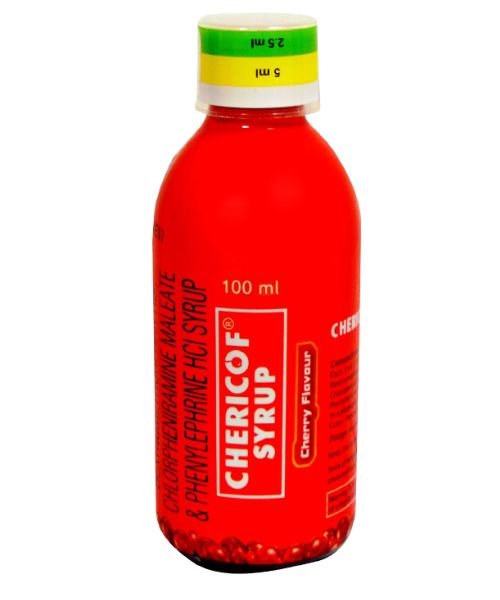
Composition: Dextromethorphan + Phenylephrine (decongestant) + Chlorpheniramine (antihistamine)
Why it works: Multi-symptom approach designed for chronic conditions. Addresses dry cough (DXM) + nasal congestion (phenylephrine) + allergic component (chlorpheniramine). Manufacturer explicitly notes suitability for long-term use.
Dosing: 2 teaspoons, 3 times daily (or as prescribed)
Onset: 20-40 minutes
Duration: 6-8 hours per dose
Price: ₹100-150 per bottle
Pros:
- Targets underlying allergic/inflammatory causes of dry cough (not just symptom suppression)
- Chlorpheniramine helps control allergic rhinitis contributing to cough
- Phenylephrine clears nasal passages, reducing postnasal drip trigger
- Approved for chronic conditions; not just acute relief
- Gentle antihistamine without strong sedation
Cons:
- Contains chlorpheniramine (mild drowsiness possible, especially with evening dose)
- More expensive than pure DXM formulations
- Multi-drug formulation means more potential interactions (though rare)
Best for: Adults with chronic dry cough from allergies; allergic rhinitis + cough; postnasal drip-induced cough; nighttime use when mild drowsiness is acceptable
Pharma perspective: Chericof is excellent pharmaceutical design for chronic conditions—it treats cough while addressing underlying causes (allergy, congestion). This prevents rebound coughing when primary irritant (postnasal drip, nasal congestion) is present.
Verdict: If your dry cough is allergic in origin or accompanied by nasal symptoms, Chericof is superior to pure DXM.
6: Himalaya Koflet – Best Herbal with Mucolytic Action

Composition: Tulsi, Honey, Clove, Indian Long Pepper (Pippali), and other traditional herbs
Why it works: Unique among herbals—contains mucolytic properties (loosens viscid mucus) AND antitussive (suppresses cough). Dual mechanism addresses both productive and dry cough.
Dosing: 2 teaspoons, 2-3 times daily
Onset: 20-40 minutes
Price: ₹80-140 per bottle
User ratings: Consistently 4.5+ stars
Pros:
- Herbal formulation; alcohol-free
- Mucolytic action (useful if dry cough transitions to productive)
- Anti-allergic and antibacterial properties
- Demulcent honey base
- Affordable
Cons:
- Slower onset than DXM
- Less standardized dosing (herbal formulations vary by batch)
Best for: Adults preferring herbal medicine; chronic dry cough with occasional mucus production; long-term management
Verdict: Excellent herbal alternative; versatile for both dry and transitional coughs.
7: Ascoril – Best Multi-Symptom Option
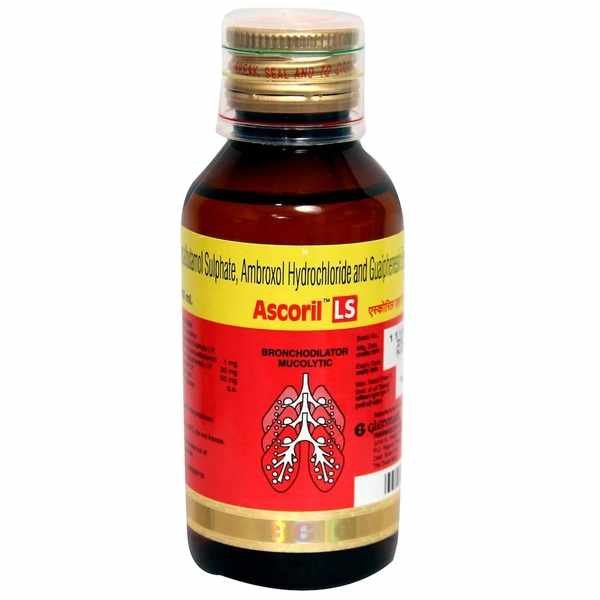
Composition: Variable by variant; Ascoril LS (cough suppressant) contains DXM; Ascoril D (expectorant) for wet cough
Why it works: GSK’s portfolio approach offers specialized variants for different cough types.
Dosing: 2 teaspoons, 2-3 times daily (verify variant)
Price: ₹110-180 per bottle
Pros:
- Multiple variants available (select “dry cough” type)
- Trusted GSK brand; established quality
- Widely available
Cons:
- Multiple variants can confuse selection (must verify you buy dry cough variant)
- Slightly premium pricing
- Less differentiated than competitors
Best for: Those who trust established pharmaceutical brands; multi-symptom relief options available
Verdict: Reliable but not specifically optimized for dry cough like competitors.
8: FTOX-DX (Laafon galaxy) – Best Ultra-Budget Option

Composition: Dextromethorphan HBr+ Phenylephrine HCl+ CPM (10+5+2 mg/5ml)
Dosing: 2 teaspoons every 4-6 hours
Onset: 15-30 minutes
Price: ₹92 per bottle (often ₹65-70 on sale)
Pros:
- Cheapest option; house brand affordability
- Acceptable pharmaceutical quality
- Fast onset
Cons:
- Least brand recognition
- Marketing budget minimal; less awareness among consumers
- Minimal differentiation features
Best for: Students, very budget-conscious, temporary relief needs
Verdict: Acceptable quality at lowest price point; identical DXM efficacy to expensive brands.
FAQ: Critical Questions About Dry Cough Syrups Answered
Yes, at therapeutic doses, DXM is safe for long-term use. However, persistent dry cough (lasting >3 weeks) requires medical evaluation to identify underlying cause.
Yes, it’s safe and often beneficial.
Your brand contains diphenhydramine, not pure DXM
Dextromethorphan Hydrobromide (DXM HBr):
- Most common form in India
- Immediate-release: Onset 15-30 minutes, duration 4-6 hours
- Typical dose: 10-20 mg every 4 hours
- Concentration in syrups: 15 mg/5ml
- Examples: Benadryl DR, Cofsils, Zedex
Generally yes, but consult your cardiologist if taking multiple medications.
Pure DXM (Benadryl DR, Cofsils, Zedex, FTOX-DX):
- Onset: 15-30 minutes
- Safe to drive 30+ minutes after dosing
- No impairment of alertness, coordination, or reaction time
- Does NOT show up on breathalyzers or drug tests
Generally considered safe, but consult your obstetrician
Action steps:
- Reassess the cough type:
- Is it truly dry (no phlegm) or has it become productive (mucus)?
- If productive, switch to expectorant (e.g., bromhexine or guaifenesin)
- Identify triggers:
- Is it worse at specific times (GERD → worse lying down)
- Worse with specific allergens (seasonal → allergic)
- Only after exertion (asthma → controller inhaler needed)
- Non-pharmaceutical measures:
- Increase humidity (steam, humidifier) — dry air triggers cough
- Honey water or salt water gargle — natural soothing
- Avoid irritants (smoke, strong perfumes, dust)
- Sleep elevated (reduces GERD-induced cough)
- When to see a doctor (1-2 weeks of cough):
- Dry cough lasting >3 weeks without improvement
- Associated shortness of breath, chest pain, or wheezing
- Cough with blood or blood-tinged sputum
- Weight loss or night sweats (TB risk)
- Recent travel to tuberculosis-endemic region
Alternatives to Cough Syrup: Non-Pharmaceutical Approaches
Honey: The Gold Standard Natural Antitussive
How it works: Honey is viscous (thick), which coats irritated throat tissue. It also has antimicrobial properties and triggers saliva production, creating demulcent lubrication.
Dosing: 1 teaspoon of pure honey (≥80% purity) three times daily, or before bed for nighttime cough
Duration: 30-60 minutes per dose
Evidence: Multiple clinical trials show honey as effective as DXM for cough relief in children and adults
Best for: Throat irritation, tickling sensation, post-viral cough
Caution: Never give honey to infants <1 year (botulism risk). Safe from age 1+.
Steam Inhalation
How it works: Warm, moist air reduces airway inflammation and loosens mucus. Beneficial for both dry and wet cough.
Method:
- Boil water in a pot
- Add eucalyptus oil or menthol (optional but cooling/soothing)
- Drape towel over head and pot
- Inhale steam for 10-15 minutes
- Repeat 2-3 times daily
Best for: Environmental irritation, postnasal drip, throat dryness
Duration: Relief lasts 1-2 hours per session
Throat Lozenges & Cough Drops
How they work: Sugar-free lozenges with menthol, honey, or zinc stimulate saliva, lubricate throat, and provide cooling sensation
Dosing: Suck 1-2 lozenges every 2-3 hours; max 10 per day
Benefits: Portable, no mess, longer-lasting relief (15-30 minutes per lozenge)
Best brands in India: Strepsils, Dr. Morepen, Himalaya
Humidifier or Moisture
Why: Dry air irritates airways and triggers cough. Adding moisture reduces irritation.
Methods:
- Humidifier (electric or steam)
- Sleep with damp cloth on radiator
- Moisture from shower steam
- Keep water bowl beside bed
Most effective: Nighttime use for sleep (cough often worse lying down due to postnasal drip)
Ginger Tea
How it works: Gingerol (active compound) has anti-inflammatory and antimicrobial effects
Preparation:
- Slice fresh ginger (1-2 cm)
- Boil in water for 5-10 minutes
- Add honey and lemon (optional)
- Sip warm, 2-3 times daily
Best for: Throat soreness, post-viral inflammation, immune support
Saltwater Gargle
How it works: Salt reduces throat inflammation and kills bacteria
Preparation:
- Mix 1/2 teaspoon salt in 250ml warm water
- Gargle for 30 seconds, 2-3 times daily
- Spit out (don’t swallow)
Best for: Sore throat accompanying dry cough, bacterial pharyngitis
When to See a Doctor: Red Flag Symptoms
Seek immediate medical evaluation if you experience:
- Cough lasting >3 weeks (persistent cough signals underlying condition)
- Shortness of breath or wheezing (possible asthma, pneumonia)
- Chest pain or heaviness (possible pneumonia, myocarditis)
- Hemoptysis (coughing up blood or blood-tinged sputum—TB, lung cancer risk)
- Fever >101°F (38.3°C) lasting >3 days (bacterial infection)
- Night sweats or weight loss (TB, malignancy)
- Difficulty swallowing (throat infection, epiglottitis)
- Voice hoarseness lasting >2 weeks (vocal cord irritation or malignancy)
Schedule routine appointment (within 1-2 weeks) for:
- Dry cough affecting sleep despite OTC medications
- Dry cough interfering with work or daily activities
- Uncertainty about cause of cough
Formulation Complexity: Why Sedating vs. Non-Sedating Syrups Matter from a Manufacturing Perspective
As a pharmaceutical professional with 23 years in manufacturing, quality control, and formulation, understanding the chemistry behind sedating vs. non-sedating cough syrups illuminates why some formulations work better for specific use cases.
DXM-Only Formulations (Non-Sedating)
Active ingredient: Dextromethorphan HBr 15 mg/5ml
Formulation complexity: LOWER
- Simpler ingredient list
- Fewer excipients needed
- Easier to stabilize in syrup
Excipients typically included:
- Sorbitol or propylene glycol (sweetening agent, maintains viscosity)
- Citric acid (pH buffer; maintains stability)
- Sodium citrate (pH control)
- Methyl paraben (preservative)
- Flavoring agents (cherry, orange)
- Purified water (vehicle)
Manufacturing process:
- Dissolve DXM HBr in water
- Add buffering agents (maintain pH 3-4)
- Add sweetening agents and gelling agents
- Add flavorings
- Add preservatives
- Fill and seal under aseptic conditions
Shelf life: 2-3 years (stable formulation)
Quality control checkpoints:
- DXM content assay (HPLC)
- pH determination
- Microbial contamination (USP/EP sterility)
- Particulate matter count
- Viscosity testing
Diphenhydramine-Containing Formulations (Sedating)
Active ingredients: Diphenhydramine HCl 12.5 mg/5ml + DXM 10 mg/5ml (combination)
Formulation complexity: HIGHER
- Multiple active ingredients require different pH stability ranges
- Compatibility between actives must be verified
- Potential for drug-drug interaction in formulation (salt formation)
- More excipients needed for chemical compatibility
Excipients typically included:
- Sorbitol (sweetening, viscosity)
- Citric acid + sodium citrate (critical—must maintain pH 3.5-4.0 to prevent diphenhydramine degradation)
- Methylparaben + propylparaben (dual preservatives; higher microbial load risk with 2 actives)
- Sodium benzoate (secondary preservative)
- Flavoring agents (often stronger to mask pharmaceutical taste)
- FD&C Yellow #5 (colorant)
- Purified water
Manufacturing challenges:
- Compatibility testing: Diphenhydramine HCl and DXM must not interact in solution
- Different pKa values (diphenhydramine pKa ~9, DXM pKa ~8.7)
- Slight pH variation can precipitate diphenhydramine
- Stability concerns:
- Diphenhydramine is more susceptible to oxidation than DXM
- Requires stricter light protection (amber bottles, foil packaging)
- Shorter shelf life if not properly protected
- Preservative efficacy: With 2 actives, higher contamination risk requires dual or enhanced preservative systems
- More potential for preservative-drug interaction
- Requires additional stability studies
Shelf life: 18-24 months (shorter due to diphenhydramine sensitivity)
Quality control checkpoints (more extensive):
- DXM assay (HPLC)
- Diphenhydramine assay (HPLC; separate method)
- pH determination (critical)
- Related substances testing (degradation products of diphenhydramine)
- Microbial contamination (higher sensitivity required)
- Accelerated stability studies (heat, light stress)
Why Dosage Variations Exist
DXM Hydrobromide concentration: 15 mg/5ml (standard across India)
- Optimized for first-pass hepatic metabolism
- Provides 4-6 hour duration with q4-6h dosing
- Bioavailability ~1-2% (expected and designed)
Why not 30 mg/5ml or higher?
- Taste becomes unpalatable (DXM is bitter)
- Viscosity becomes too high (syrup too thick)
- Cost increases without proportional benefit (due to first-pass metabolism)
Extended-release formulations (Polistirex, 30 mg/5ml):
- Bound to ion-exchange resin
- Slower absorption (“depot effect”)
- Can dose 12 hourly instead of 4 hourly
- More complex manufacturing (resin coating/binding)
- Slightly more expensive
Manufacturing Red Flags: Quality Issues in India’s Fragmented Market
Given India’s 600+ cough syrup brands and regulatory gaps, certain manufacturing issues are common:
1. Substandard DXM Content (underfilling)
- Some manufacturers underfill to reduce costs
- Testing requirement: HPLC assay must show 15 mg/5ml ±10% (13.5-16.5 mg)
- Market risk: 20-30% of unbranded/regional products fail assay
2. Contamination Risk (especially in smaller facilities)
- DXM is relatively stable but hygiene matters
- Risk of bacterial/fungal growth if preservatives are insufficient
- Recent deaths (Coldrif, Kayson Pharma) involved diethylene glycol contamination—preventable with proper raw material sourcing
3. Diethylene Glycol (DEG) Contamination
- Industrial solvent accidentally used as solvent instead of propylene glycol
- 48.6% concentration causes acute kidney injury
- Prevention: Strict raw material verification, WHO-GMP compliance
- Most quality manufacturers test incoming raw materials for DEG
4. Dextromethorphan Counterfeiting (less common but exists)
- Counterfeit DXM is rarer than counterfeit antimalarials because DXM has lower street value
- However, some unregulated manufacturers may substitute cheaper compounds
- Prevention: Buy from registered manufacturers (Cipla, Sun, GSK, J&J)
5. Diphenhydramine Degradation (in sedating formulations)
- Poor storage (heat, light exposure) degrades diphenhydramine faster than DXM
- Amber bottles and foil overwrap are essential
- Risk: Expired or degraded diphenhydramine loses efficacy without obvious sign
- Mitigation: Check expiry date; buy from pharmacies with good stock rotation
Quality Assurance Best Practices When Selecting Brands
From my manufacturing background, here are red flags to avoid:
RED FLAGS:
- ❌ Cloudy or discolored syrup (suggests contamination or degradation)
- ❌ Syrup too thin (underfilled) or too thick (formulation error)
- ❌ Crystalline deposits at bottom (improper mixing or degradation)
- ❌ Expired batch still in stores (poor pharmacy stock management)
- ❌ Brands with no manufacturing facility listed on label
- ❌ Price suspiciously low (often indicates quality compromise)
GREEN FLAGS:
- ✅ Clear, uniform color (proper formulation)
- ✅ WHO-GMP or Schedule M certified manufacturers
- ✅ Sealed aluminum foil overwrap (light/moisture protection)
- ✅ Batch number and expiry clearly printed
- ✅ Pharmacy with good turnover (fresh stock)
- ✅ Consistent pricing (not suspiciously cheap)
Conclusion:
Dry cough is your body’s inflammatory response, not a clearance mechanism. Treat it with an antitussive (DXM), not an expectorant.
For most adults in India:
- First choice: Benadryl DR or Cofsils (non-drowsy; safe to drive)
- Budget option: Tejasya (same efficacy, 40% cheaper)
- Natural preference: Dabur Honitus (herbal, honey-based, time-tested)
- Chronic/allergic cough: Chericof (multi-symptom, long-term safe)
Start with the lowest effective dose (10 mg DXM every 6 hours = 1.5 teaspoons). Escalate only if relief is inadequate.
CRITICAL: If dry cough persists >3 weeks despite treatment, see a doctor. You likely have an underlying condition—GERD, asthma, postnasal drip—that requires targeted treatment, not continued cough suppression.
Dry cough is a symptom, not a disease. Suppress it for comfort, but investigate the cause if persistent.
Disclaimer
This article provides educational information about dry cough syrups available in India. It is not a substitute for professional medical advice, diagnosis, or treatment. Always consult a qualified healthcare provider before starting any medication, especially if you have underlying health conditions, take other medications, or have allergies. Dosages and recommendations should be verified with current product labels and your doctor’s guidance. Self-medication should not exceed 1-2 weeks; persistent dry cough requires medical evaluation.
References:
- NCBI StatPearls. “Dextromethorphan.” https://www.ncbi.nlm.nih.gov/books/NBK538216/
- DrugBank. “Dextromethorphan.” https://go.drugbank.com/drugs/DB00514
- Benadryl India. “Difference Between Dry and Wet Cough.” https://www.benadryl.co.in/difference-between-wet-dry-cough
- Cleveland Clinic. “Dry vs. Wet Coughs: What They’re Telling You.” https://health.clevelandclinic.org/dry-cough-vs-wet-cough
- DrugBank. “Diphenhydramine.” https://go.drugbank.com/drugs/DB01075
- NCBI StatPearls. “Cough.” https://www.ncbi.nlm.nih.gov/books/NBK493221/
- NCBI. “Dextromethorphan in Cough Syrup: The Poor Man’s PCP.” https://pmc.ncbi.nlm.nih.gov/articles/PMC5601090/
- MIMS India. “Dextromethorphan: Uses, Dosage, Side Effects.” https://www.mims.com/india/drug/info/dextromethorphan
- [9] Market Research Future. “India Cough Syrup Market Size, Share, Trends 2035.” https://www.marketresearchfuture.com/reports/india-cough-syrup-market-49731
- Inkwood Research. “India Cough Syrup Market Forecast 2021-2026.” https://www.inkwoodresearch.com/reports/india-cough-syrup-market/
- BBC News. “The Deadly Dose: Inside India’s Cough Syrup Obsession.” https://www.bbc.com/news/articles/ceq28jey1xwo
- News on Air. “Government Dismisses Rumours of Ban on Dextromethorphan Cough Syrups.” https://www.newsonair.gov.in/govt-dismisses-rumours-of-ban-on-dextromethorphan-cough-syrups/
- NCBI. “Clinical Practice Guidelines for Diagnosis and Management of Cough.” https://pmc.ncbi.nlm.nih.gov/articles/PMC6297434/
- AIT Testing. “Sedating Antihistamines – Diphenhydramine Drug Information.” https://tutorials.atitesting.com/Assets/Pdf/Module4-SedatingAntihistamines-Diphenhydramine.pdf
- Medsafe. “Classification of Sedating Antihistamines.” https://www.medsafe.govt.nz/profs/class/Agendas/agen30-MohAntihistamines.pdf
- PubMed. “Diphenhydramine versus Nonsedating Antihistamines.” https://pubmed.ncbi.nlm.nih.gov/17883909/
- California Detox. “How Long Does Dextromethorphan Stay in Your System.” https://californiadetox.com/drug-info/how-long-does-dextromethorphan-stay-in-your-system/
- PubChem. “Dextromethorphan (C18H25NO).” https://pubchem.ncbi.nlm.nih.gov/compound/Dextromethorphan
- JAPI. “National Expert Opinion on Managing Cough in Indian Patients.” https://www.japi.org/article/japi-72-10-77
- ScienceDirect. “Diphenhydramine: It is Time to Say Goodbye.” https://www.sciencedirect.com/science/article/pii/S193945512500002X