
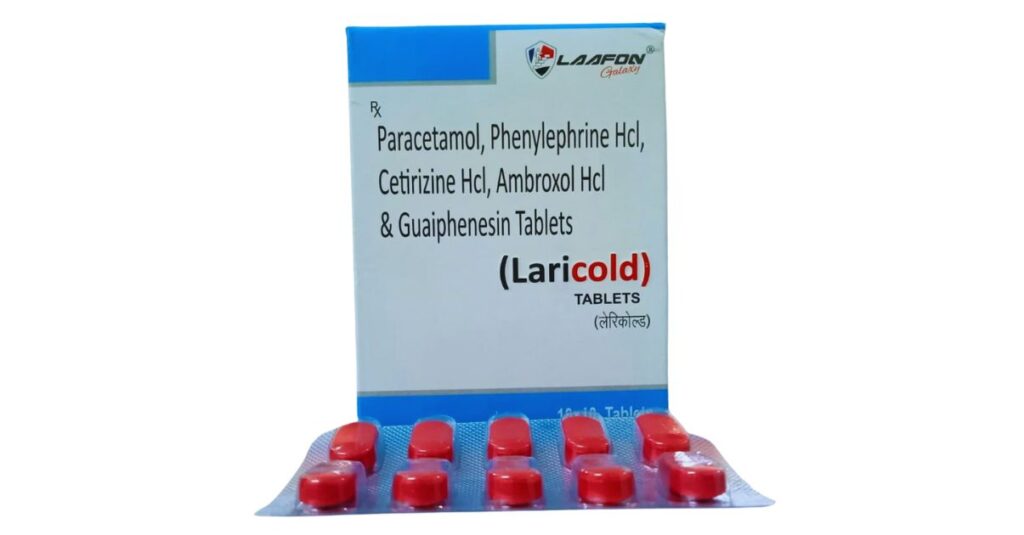
Have you ever wondered why some anticold tablets work better for productive cough while others excel at relieving nasal congestion? The answer lies in their formulation strategy. Laricold Tablet represents a comprehensive approach to cold management, combining five active pharmaceutical ingredients that target distinct symptoms simultaneously—making it particularly effective for cold complicated by thick mucus production.
This scientifically designed combination brings together paracetamol’s fever-reducing properties, phenylephrine’s decongestant action, cetirizine’s antihistamine effects, and the powerful mucolytic-expectorant duo of ambroxol and guaiphenesin. Understanding how these ingredients work together helps both healthcare professionals and informed patients make better treatment decisions.
What Makes Laricold Different from Standard Cold Tablets?
Unlike traditional three-ingredient anticold formulations like D-Cold Total (paracetamol + phenylephrine + caffeine) or Sinarest (paracetamol + phenylephrine + chlorpheniramine), Laricold’s five-component formula specifically addresses productive cough—the type where you’re struggling to expel thick, stubborn mucus.
The inclusion of both ambroxol (a mucolytic that breaks down mucus structure) and guaiphenesin (an expectorant that increases fluid secretion) creates a dual-action mechanism rarely found in standard cold preparations. This makes Laricold particularly valuable when your cold has descended into your chest, causing that tight, congested feeling that simple decongestants can’t fully resolve.

Breaking Down the Five Active Ingredients
Paracetamol (Acetaminophen) 325mg
Paracetamol serves as the foundation of cold symptom relief by targeting two critical discomforts: fever and body aches. This antipyretic-analgesic works by inhibiting prostaglandin synthesis in the central nervous system, effectively lowering your body’s temperature set-point during viral infections.
What makes this dose optimal? At 325mg per tablet, Laricold allows for safe repeat dosing throughout the day without exceeding the crucial 4-gram daily maximum. Exceeding this limit significantly increases hepatotoxicity risk—something that happens more often than you’d think when patients combine multiple paracetamol-containing products.
Critical safety note: If you’re already taking other pain relievers or cold medications, always check their ingredient lists. Accidental paracetamol overdose from combining products remains a leading cause of drug-induced liver injury.
Phenylephrine Hydrochloride 5mg
That stuffed-up nose making it impossible to breathe? Phenylephrine tackles this by acting as a selective alpha-1 adrenergic receptor agonist, causing vasoconstriction in the nasal mucosa. This shrinks swollen nasal tissues, opening up your airways and restoring comfortable breathing.
The 5mg dose strikes a balance between efficacy and safety, providing relief without the cardiovascular stimulation seen with higher doses. However, individuals with hypertension, heart disease, or hyperthyroidism should exercise caution—phenylephrine can elevate blood pressure and heart rate in susceptible patients.
Cetirizine Hydrochloride 5mg
Here’s where Laricold shows its modern formulation thinking. While older anticold tablets rely on first-generation antihistamines like chlorpheniramine (which causes significant sedation), Laricold uses cetirizine—a second-generation antihistamine.
Cetirizine effectively blocks histamine H1 receptors, controlling allergic symptoms like sneezing, itchy eyes, and watery nasal discharge, but with considerably less brain penetration than chlorpheniramine. This means you get symptom relief without the intense drowsiness that forces you to abandon daytime activities—though some mild sedation can still occur in sensitive individuals.
This makes Laricold more suitable for working professionals who need cold relief without compromising alertness, unlike sedating alternatives that are better reserved for nighttime use.
Ambroxol Hydrochloride 15mg
This is where Laricold’s formulation gets interesting for productive cough sufferers. Ambroxol acts as a mucolytic agent, meaning it chemically breaks down the structure of thick mucus by disrupting mucopolysaccharide fibers.
Beyond just thinning mucus, ambroxol stimulates surfactant production in the lungs and enhances ciliary clearance—the natural mechanism your airways use to sweep out debris. This triple action makes it invaluable for conditions where mucus has become pathologically thick: chronic bronchitis, COPD exacerbations, and respiratory infections with heavy mucus production.
The 15mg dose aligns with pediatric-to-adult transitional dosing, making it appropriate for teenagers and adults while maintaining safety margins.
Guaiphenesin 50mg
While ambroxol breaks down mucus structure, guaiphenesin works through a complementary mechanism: it increases respiratory tract fluid secretions. Think of it as adding water to thick paste—the increased fluid volume makes mucus less viscous and easier to cough up.
This expectorant action stimulates vagal gastric reflexes and increases bronchial secretions, effectively hydrating dried, sticky mucus from within. When combined with ambroxol’s structure-breaking action, you get a synergistic effect that’s more powerful than either ingredient alone.
Patient tip: Drinking plenty of water while taking guaiphenesin-containing medications significantly enhances its effectiveness—stay well-hydrated for optimal mucus clearance.
Clinical Applications: When Should You Choose Laricold?
Primary Indications
Laricold excels in managing cold and flu symptoms characterized by:
- Productive cough with thick, difficult-to-expel mucus
- Nasal congestion and sinus pressure
- Fever and body aches accompanying respiratory infection
- Allergic rhinitis symptoms (sneezing, watery eyes, itchy nose)
- Chest tightness from mucus accumulation
Laricold vs. Common Alternatives: Making the Right Choice
Choose Laricold over Sinarest when:
You’re dealing with productive cough and chest congestion, not just nasal symptoms. Sinarest’s chlorpheniramine causes more drowsiness, making it better for nighttime use, while Laricold’s cetirizine allows daytime functionality.
Choose Laricold over D-Cold Total when:
Your cold involves significant mucus production. D-Cold Total lacks mucolytic/expectorant components and contains caffeine for alertness—it’s designed for congestion and headache without the cough component.
Choose Laricold over Wikoryl when:
You need a less sedating option with superior mucus-clearing action. Both contain similar base ingredients, but Laricold’s dual expectorant approach gives it an edge for chest-involved colds.
Dosage and Administration Guidelines
Standard adult dosing: One tablet every 6-8 hours as needed, not exceeding four tablets in 24 hours.
Timing considerations: Can be taken with or without food, though taking with food may reduce potential stomach upset.
Duration of use: Should not be continued for more than 7 days without medical consultation. Persistent symptoms beyond this timeframe warrant professional evaluation for potential bacterial infection or other complications.
Important: This formulation is designed for adults and children over 12 years. Pediatric patients require different formulations with appropriate dose adjustments.
Side Effects and Safety Profile
Common Side Effects (Generally Mild and Self-Limiting)
Most users tolerate Laricold well, but some may experience:
- Drowsiness or mild sedation (despite cetirizine being less sedating)
- Dry mouth and nasal passages
- Nausea or mild stomach discomfort
- Dizziness or headache
- Restlessness or mild insomnia (from phenylephrine)
These effects typically diminish as your body adjusts to the medication.
Serious Side Effects Requiring Immediate Medical Attention
Discontinue use and seek medical care if you experience:
- Rapid or irregular heartbeat
- Severe dizziness or difficulty breathing
- Skin rash, itching, or signs of allergic reaction
- Unusual bleeding or bruising
- Persistent nausea, vomiting, or abdominal pain
- Yellowing of skin or eyes (jaundice—sign of liver stress)
Critical Drug Interactions and Contraindications
Do Not Combine Laricold With:
MAO inhibitors (antidepressants like isocarboxazid, linezolid, tranylcypromine): Dangerous interaction with phenylephrine can cause hypertensive crisis.
Warfarin or other blood thinners: Paracetamol can enhance anticoagulant effects, increasing bleeding risk.
Other paracetamol-containing products: Risk of accidental overdose and liver damage.
Alcohol: Significantly increases liver toxicity risk and enhances drowsiness.
Domperidone or metoclopramide: May interact with cetirizine, affecting gastric emptying.
Use With Extreme Caution If You Have:
- Hypertension or cardiovascular disease (phenylephrine concern)
- Liver or kidney impairment (paracetamol metabolism issues)
- Diabetes mellitus or hyperthyroidism
- Closed-angle glaucoma
- Prostatic hyperplasia or urinary retention
- Epilepsy or seizure disorders
Pregnancy and breastfeeding: Consult your healthcare provider before use. Some components may not be suitable during pregnancy or while nursing.
Product Specifications
| Parameter | Details |
|---|---|
| Brand Name | LARICOLD |
| Dosage Form | Oral Tablets |
| Composition | Paracetamol 325mg + Phenylephrine HCl 5mg + Cetirizine HCl 5mg + Ambroxol HCl 15mg + Guaiphenesin 50mg |
| Packaging | 10×10 Blister Pack (100 tablets) |
| Shelf Life | 24 months from manufacturing date |
| Storage | Store below 25°C, protect from moisture and light |
| MRP | ₹65.00 per strip (10 tablets) |
Comparative Market Analysis: Laricold vs. Leading Anticold Brands
Pricing may vary by location and pharmacy; values are approximate as of January 2026
Connect Distributors
Practical Patient Guidance
Maximizing Effectiveness
Stay hydrated: The expectorant components work best when you’re drinking adequate fluids—aim for 8-10 glasses of water daily.
Use a humidifier: Adding moisture to the air helps thin mucus and complements the medication’s action.
Avoid lying flat immediately after dosing: If you have significant chest congestion, sitting upright for 30 minutes after taking the tablet can improve mucus drainage.
Don’t suppress your cough: This medication helps you cough more productively—that’s therapeutic. Suppressing the cough defeats the purpose.
When to See a Doctor Instead of Self-Medicating
- Fever exceeding 103°F (39.4°C) or lasting more than 3 days
- Symptoms persisting beyond 7 days despite treatment
- Cough producing blood-tinged or green/yellow mucus
- Severe chest pain or difficulty breathing
- Pre-existing chronic conditions (asthma, COPD, heart disease)
Related Pharmaceutical Products
For comprehensive cold and respiratory care, consider these complementary formulations:
- Rebfon-DSR: Rabeprazole 20mg + Domperidone 30mg for gastric protection during medication use
- Fonvital Plus: Ginseng with multivitamins for immune support during recovery
- Mecome-Alpha: Methylcobalamin + Alpha-lipoic acid for neurological wellness
- Kuftips Syrup: Ayurvedic cough syrup for natural respiratory support
Frequently Asked Questions
-
Can I take Laricold if I’m driving or operating machinery?
While cetirizine causes less drowsiness than older antihistamines, some individuals still experience sedation. Assess your response with the first dose when you don’t need to drive, then proceed cautiously.
-
How does Laricold differ from cough suppressants?
Laricold is an expectorant combination that helps you cough productively (clearing mucus), while suppressants like dextromethorphan stop the cough reflex entirely. For productive coughs, expectorants like Laricold are more appropriate.
-
Can I take Laricold with antibiotics?
-
Is it safe to take Laricold daily for prevention?
No. This is a symptomatic treatment medication, not a preventive one. Use only when symptoms are present, and not beyond 7 days continuously.
Medical Disclaimer: This information is provided for educational purposes only and should not replace professional medical advice. The content is intended for pharmaceutical distributors, healthcare professionals, students, and informed patients. Always consult a qualified healthcare provider before starting any new medication, especially if you have pre-existing conditions or are taking other medications. Dosage, usage, and suitability should be determined by a licensed medical practitioner based on individual health assessment.
Medically Reviewed by:

Dr. Yogesh Chaudhary (B. Pharma)
Senior Pharmacist at S.N. Medical College, Agra-(UP)