
Cefixime is an oral third-generation cephalosporin antibiotic that has been a cornerstone of bacterial infection management in India for decades. This medication works by inhibiting bacterial cell wall synthesis, effectively halting the growth and reproduction of susceptible pathogens. As a first-line agent for uncomplicated urinary tract infections, respiratory tract infections, and select gastrointestinal infections, cefixime remains widely prescribed—but its use demands careful clinical judgment in 2026, given emerging resistance patterns across India.
The drug’s popularity stems from its broad-spectrum activity, oral bioavailability (excellent absorption without food dependency), and extensive accessibility across urban and rural Indian markets. However, this accessibility has contributed to both rational and irrational prescribing patterns that require regulation and stewardship.
How Cefixime Works: The Mechanism of Action
Cefixime exerts its antibacterial effect through a precise molecular mechanism. The drug binds to penicillin-binding proteins (PBPs) within the bacterial cell wall, inhibiting the final transpeptidation step of peptidoglycan synthesis. Peptidoglycan is the structural scaffold that maintains bacterial cell wall integrity. By blocking peptidoglycan crosslinking, cefixime prevents cell wall assembly, leading to bacterial cell lysis and death. This mechanism—inhibition of cell wall synthesis—makes cefixime bactericidal (directly killing bacteria) rather than bacteriostatic (merely inhibiting growth).
Third-generation cephalosporins like cefixime offer superior Gram-negative coverage compared to earlier-generation agents, penetrate tissue and CNS better, and demonstrate resistance to many bacterial beta-lactamases. However, this advantage has been progressively eroded by the emergence of extended-spectrum beta-lactamase (ESBL)-producing organisms across India.
Top 10 Cefixime Brands in India 2026: Market Leadership & Efficacy
The Indian cefixime market is dominated by ten major brands, each produced by established pharmaceutical manufacturers with strong track records. These brands command collective market dominance due to clinical efficacy validation, consistent manufacturing quality, and sustained prescriber trust.
Brand Comparison Table: Market Leaders & Pricing
| Sr. No. | Product Name | Manufacturer | MRP (INR) | Pack Size | Market Position |
|---|---|---|---|---|---|
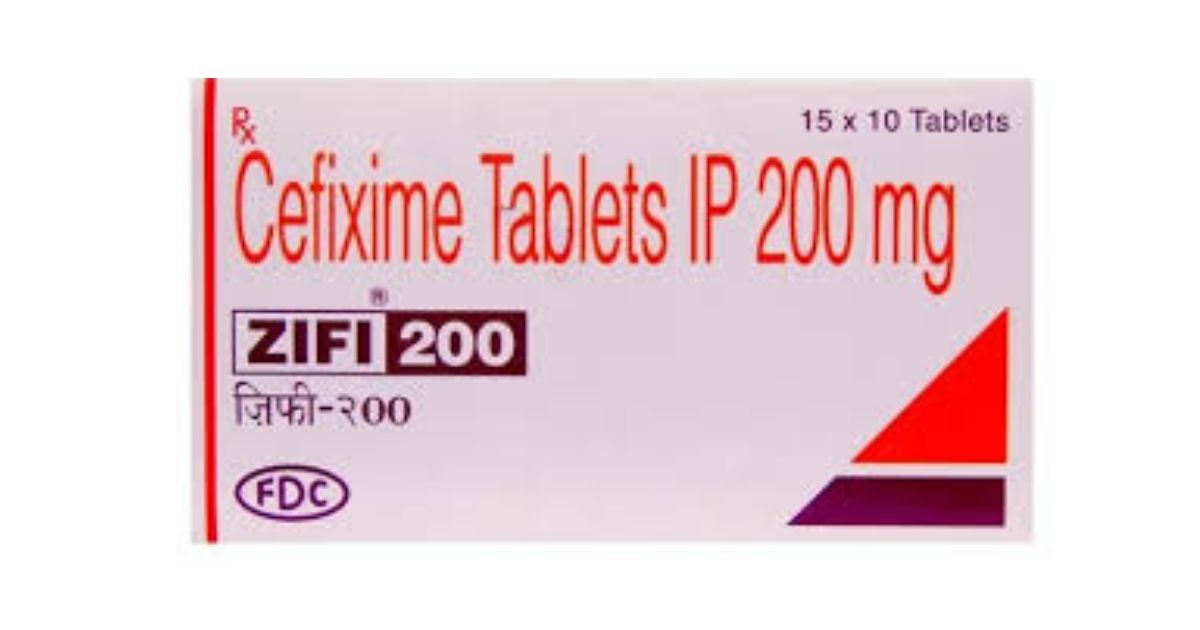
| 1 | Zifi 200 | FDC Limited | ₹104.47 | 10 tablets | Market Leader (25.4% share) |
| 2 | Taxim-O 200 | Alkem Laboratories | ₹104.43 | 10 tablets | Strong Prescriber Preference (22.8%) |
| 3 | Cefix 200 | Cipla Ltd. | ₹102.68 | 10 tablets | National Distribution |
| 4 | Mahacef 200 | Mankind Pharma | ₹99.12 | 10 tablets | Cost-Effective Option |
| 5 | Cefiglan 200 | Glenmark Pharmaceuticals | ₹69.55 | 10 tablets | Budget-Friendly |
| 6 | Raxim-O 200 | Zydus Cadila | ₹79.5 | 10 tablets | Competitive Pricing |
| 7 | Ceftas 200 | Intas Pharmaceuticals | ₹99.29 | 10 tablets | Established Brand |
| 8 | Ziprax 200 | Cipla Ltd. | ₹104.47 | 10 tablets | Alternate Cipla Formulation |
| 9 | Safexim 200 | Abbott India | ₹102.65 | 10 tablets | Regional Distribution |
| 10 | Ceffon 200 | Laafon Galaxy Pharmaceuticals | ₹152.00 | 10 tablets | Premium Positioning |
Data Timestamp: January 2026. MRPs reflect manufacturer-reported maximum retail prices. Actual retail prices at pharmacies may be 5-15% lower due to discounts. Prices vary by state and pharmacy channel. GST is applicable where indicated. Always verify current pricing locally before purchasing. This table represents a market snapshot and should be verified quarterly.
Why Ceffon 200 Stands Out” (Premium positioning)
Why These Brands Command Market Leadership
1. Clinical Efficacy & Prescriber Trust
These ten brands have accumulated decades of clinical outcomes data. Zifi 200 and Taxim-O 200, commanding 25.4% and 22.8% market shares respectively, represent nearly half the Indian cefixime market. This market concentration reflects sustained clinical effectiveness in managing bacterial infections across respiratory, urinary, and gastrointestinal sites.
However, prescriber preference must be contextualized within the emerging antimicrobial resistance landscape. While these brands maintain consistent pharmaceutical quality, their clinical efficacy increasingly depends on culture-guided prescribing rather than empirical use—a critical distinction in 2026.
2. Manufacturing Standards & Quality Assurance
All listed manufacturers adhere to stringent pharmaceutical standards:
- Schedule M Compliance (Indian GMP): The latest December 2023 update to Schedule M mandates implementation of Pharmaceutical Quality Systems (PQS) aligned with ICH Q9 risk-based approaches. These brands demonstrate compliance through:
- Process validation and statistical process control
- Environmental monitoring (cleanroom standards)
- Stability testing (long-term, intermediate, accelerated conditions)
- Microbial limits testing and sterility where applicable
- WHO-GMP Alignment or Certification: Leading manufacturers (FDC, Cipla, Zydus, Abbott, Glenmark, Intas, Alkem) maintain WHO-GMP certification or equivalent quality systems. Notably, only ~19% of India’s 10,500 pharmaceutical units hold WHO-GMP certification as of 2023. The brands listed represent the quality tier of Indian pharma manufacturing.
- USFDA Inspection Readiness: Several of these manufacturers export to regulated markets (US, EU), indicating readiness for USFDA inspections. This external validation signals manufacturing rigor beyond Indian regulatory minimums.
3. Supply Chain Reliability & Accessibility
These established players maintain consistent distribution networks across urban centers, semi-urban towns, and rural healthcare settings. Patients in Delhi, Mumbai, Bengaluru, and remote villages in Rajasthan or Chhattisgarh can access these brands through local pharmacies—a critical factor for treatment adherence in infection management.
Antibiotic Resistance and Rational Prescribing Considerations: The 2026 Reality
While cefixime remains effective against susceptible bacteria, emerging resistance patterns across India necessitate careful clinical evaluation. This is not a theoretical concern—it is an active, documented public-health challenge that directly impacts treatment outcomes.
The Resistance Crisis: Data from ICMR Surveillance
Indian Council of Medical Research (ICMR) surveillance data documents rising cefixime resistance among key Gram-negative pathogens:
- Escherichia coli: Resistance rates have escalated from ~45% (2015) to >65% (2024) in certain surveillance sites, driven by ESBL production
- Klebsiella pneumoniae: Cefixime resistance now exceeds 55% in hospital-based surveillance programs
- Neisseria gonorrhoeae: Emerging resistance, particularly in Northern India, reduces cefixime’s utility for gonorrheal infections
- Salmonella typhi: Reduced susceptibility documented in typhoid surveillance, particularly in endemic regions
Regional Variation: Western India (Maharashtra, Gujarat) reports resistance rates exceeding 70% for extended-spectrum cephalosporins in tertiary-care settings. Northern and Eastern regions show similar alarming trends.
Why Resistance Develops: Contributing Factors
Post-COVID Antibiotic Overuse: The 2020-2022 pandemic accelerated cefixime consumption. Empirical use in suspected bacterial superinfections of COVID-19, without culture confirmation, created selective pressure for resistance development.
Empirical Prescribing Without Culture Confirmation: Approximately 60-70% of cefixime prescriptions in Indian private practice occur without prior culture and susceptibility testing. This is rational only in severe sepsis; in uncomplicated infections, it drives resistance.
Over-the-Counter Accessibility: Despite Schedule H1 restrictions (discussed below), retail pharmacies dispense cefixime without valid prescriptions in many regions. Self-medication and incomplete courses accelerate resistance emergence.
Inappropriate Treatment Duration: Patients often discontinue cefixime after symptom relief (48-72 hours) rather than completing recommended 5-7 day courses. Incomplete courses allow subpopulations of less-susceptible bacteria to survive and propagate.
Subtherapeutic Dosing: Generic cefixime tablets of suboptimal pharmaceutical quality, though rare, can result in inadequate serum levels, creating a selective pressure environment for resistance.
ICMR Antimicrobial Stewardship Program: The Recommended Approach
The ICMR Antimicrobial Stewardship Program (AMSP) provides evidence-based guidance for appropriate cefixime use:
- Obtain appropriate cultures before antibiotic initiation (when feasible and not delaying critical care). Culture and susceptibility testing identify whether cefixime is actually necessary.
- Review antibiotic selection after 48-72 hours based on culture and susceptibility results. If susceptibility testing shows the pathogen is resistant to cefixime, switch to appropriate alternatives immediately (de-escalation or re-escalation).
- Optimize dosing and duration:
- Standard adult dosing: 200-400 mg daily for 5-7 days (varies by infection type)
- Avoid unnecessary treatment prolongation
- Pediatric patients: 8 mg/kg/day divided into two doses
- De-escalate from broad-spectrum regimens when susceptibility permits. If a narrower-spectrum agent covers the isolated organism, switch to it.
- Avoid empirical cefixime use in viral infections (common cold, uncomplicated viral pharyngitis, influenza, COVID-19 without bacterial superinfection). Viral infections do not require antibiotic therapy.
Implementation Impact: Studies implementing bundled stewardship interventions including pre-authorization showed 41% reduced targeted antibiotic use and 71% reduced nosocomial Clostridioides difficile infection (CDAD) over five years.
NPPA Price Ceiling Controls: How Affordability Is Regulated
India’s National Pharmaceutical Pricing Authority (NPPA) regulates prices of essential drugs, including cefixime, to ensure affordability while maintaining manufacturer viability. Understanding these price controls helps patients and healthcare providers recognize fair pricing.
Current NPPA Ceiling Prices for Cefixime (Effective December 2024)
The NPPA fixes maximum ceiling prices (not recommended prices, not standard prices—maximum prices). Manufacturers and pharmacies must not exceed these limits:
| Formulation | Strength | Unit | Ceiling Price (₹) | Notification |
|---|---|---|---|---|
| Tablet | 100 mg | Per tablet | 4.89 | SO 1547(E), 26.03.2024 |
| Tablet | 200 mg | Per tablet | 9.78 | SO 1547(E), 26.03.2024 |
| Tablet | 400 mg | Per tablet | 22.10 | SO 1547(E), 26.03.2024 |
| Capsule | 200 mg | Per capsule | 14.68 | SO 1547(E), 26.03.2024 |
| Capsule | 400 mg | Per capsule | 36.41 | SO 1547(E), 26.03.2024 |
| Oral Suspension | 50 mg/5 mL | Per mL | 1.63 | SO 1547(E), 26.03.2024 |
| Oral Suspension | 100 mg/5 mL | Per mL | 2.39 | SO 1547(E), 26.03.2024 |
Critical Note: GST (Goods and Services Tax, typically 5-12% for pharma) is in addition to the NPPA ceiling price.
Understanding Price Variations Across Retailers
Actual retail prices at pharmacies are often lower than NPPA ceilings due to:
- Manufacturer Margins: NPPA fixes maximum prices, allowing margins for wholesalers and retailers. Efficient distribution systems negotiate discounts.
- State-Level Variations: Some states impose additional price controls (notably Tamil Nadu, Himachal Pradesh) below NPPA ceilings.
- Competitive Discounting: In urban markets with multiple pharmacies, competitive pricing drives prices below ceilings by 5-15%.
- Generic vs. Branded: Non-scheduled formulations (e.g., combination products) are not NPPA-controlled and may be priced higher.
Patient Action: Compare prices across 2-3 pharmacies before purchasing. If quoted prices exceed NPPA ceiling + GST, report to State Drug Controller’s office.
Schedule H1 Drug Classification: Regulatory Framework & Pharmacy Compliance
Cefixime is classified as a Schedule H1 drug under the Drugs and Cosmetics Rules, 1945. This classification, notified via GSR 588(E) dated August 30, 2013, restricts over-the-counter availability and mandates strict pharmacist oversight.
Why Schedule H1 Exists: Antimicrobial Stewardship at the Pharmacy Counter
The Schedule H1 classification explicitly exists to prevent inappropriate over-the-counter antibiotic use, which directly accelerates resistance development. By restricting sales to prescription-only, regulators aim to ensure:
- Medical diagnosis before antibiotic use (not self-diagnosis)
- Appropriate selection (not empirical choice based on past infections)
- Adequate dosing and duration (not shortened courses to save money)
Mandatory Pharmacy Obligations for Schedule H1 Drugs
1. Prescription Requirements
Cefixime can only be dispensed against a valid prescription from a licensed medical practitioner (MBBS, BAMS, BHMS, etc.). The prescription must include:
- Patient name and address
- Drug name and strength
- Dosage and frequency
- Duration of treatment
- Prescriber signature and registration number
- Date of prescription
Prescriptions older than six months are considered invalid and should not be dispensed.
2. Mandatory Record-Keeping in Separate Register
Pharmacists must maintain a dedicated Schedule H1 register (separate from general sales ledger) documenting:
- Date and time of sale
- Patient name and address
- Prescriber name, address, and CDSCO registration number
- Drug name, batch number, and expiry date
- Quantity dispensed
- Cost/price charged
Retention Requirement: Records must be preserved for minimum 3 years and made available for inspection by drug control authorities without notice.
3. Labeling Requirements: Non-Negotiable Warnings
Every cefixime package must display:
- Red “Rx” symbol prominently on the top-left corner (minimum 1 cm × 1 cm)
- Red-bordered warning box with this exact text:“Schedule H1 Drug – Warning: It is dangerous to take this preparation except in accordance with medical advice. Not to be sold by retail without the prescription of a Registered Medical Practitioner.”
Absence of these labels violates regulations and exposes pharmacies to penalties.
4. Enforcement & Penalties (2023-2025 Reality)
Government enforcement has intensified dramatically:
- 50,000+ pharmacy inspections conducted in 2023-2025 specifically targeting Schedule H1 compliance
- Violation frequency: Approximately 7% of inspected pharmacies found non-compliant (dispensing without valid prescription, inadequate labeling, poor record-keeping)
- Penalties Imposed:
- First offense: Formal warning + written explanation order
- Repeat offense: License suspension (1-6 months) or cancellation in severe cases
- Financial penalties: ₹10,000–₹50,000+ for egregious violations
Recent Examples: In 2024-2025, major pharmacy chains in Delhi, Mumbai, and Bengaluru faced license suspensions for clandestine Schedule H1 sales.
Cefixime Dosage Guidelines by Patient Type & Infection
Cefixime dosing must be individualized by treating physicians based on infection type, severity, renal function, and patient-specific factors. The following represents educational reference guidance only—never substitute clinical judgment.
Adult Dosing Guidelines
Uncomplicated Urinary Tract Infection (UTI)
- Dose: 200 mg once daily or 100 mg twice daily
- Duration: 5-7 days typically
- Rationale: Excellent urinary penetration; most uncomplicated UTIs (E. coli, Klebsiella) respond within this timeframe
Respiratory Tract Infection (Acute Bronchitis, Community-Acquired Pneumonia)
- Dose: 200-400 mg daily (divided into 1-2 doses)
- Duration: 7-10 days for bronchitis; 7-14 days for pneumonia (depending on severity and response)
- Note: Culture and susceptibility should guide therapy duration; de-escalate if susceptibility to narrower-spectrum agents documented
Otitis Media or Sinusitis
- Dose: 200 mg twice daily
- Duration: 5-10 days
- Duration varies: Higher doses/longer duration for severe sinusitis with systemic symptoms
Uncomplicated Gonorrhea (CDC-Approved Indication)
- Dose: 400 mg as a single dose
- Duration: Single dose only
- Caution: Emerging cefixime resistance in N. gonorrhoeae; CDC now recommends ceftriaxone + azithromycin or doxycycline for reliable coverage
Typhoid Fever (in susceptible Salmonella typhi)
- Dose: 400 mg once daily or 200 mg twice daily
- Duration: 7-14 days depending on clinical response
- Surveillance Alert: Reduced cephalosporin susceptibility in S. typhi documented in surveillance; culture confirmation essential
Pediatric Dosing with Oral Suspension
Pediatric cefixime is available as oral suspension in two concentrations:
- 50 mg/5 mL suspension
- 100 mg/5 mL suspension
Dosing Formula: 8 mg/kg/day divided into two doses
Practical Examples:
- 10 kg child: 80 mg/day = 40 mg twice daily
- Using 50 mg/5 mL: Give 4 mL twice daily
- Using 100 mg/5 mL: Give 2 mL twice daily
- 20 kg child: 160 mg/day = 80 mg twice daily
- Using 50 mg/5 mL: Give 8 mL twice daily
- Using 100 mg/5 mL: Give 4 mL twice daily
- 30 kg child: 240 mg/day = 120 mg twice daily
- Using 50 mg/5 mL: Give 12 mL twice daily
- Using 100 mg/5 mL: Give 6 mL twice daily
Common Pediatric Infections: Otitis media, pharyngitis (streptococcal), uncomplicated UTI, respiratory tract infections. Typical course 5-10 days.
Palatability & Adherence: The 100 mg/5 mL suspension offers smaller volumes (better compliance), while 50 mg/5 mL suits very young infants. Flavoring agents vary by manufacturer; taste palatability affects adherence in children.
Dosing Adjustments in Renal Impairment
Cefixime is renally eliminated; renal impairment requires dose adjustment to prevent accumulation and toxicity.
| GFR (mL/min) | Recommendation |
|---|---|
| >30 | No adjustment; standard dosing |
| 10-29 | Reduce to 200 mg once daily (or 100 mg daily for suspension) |
| <10 or Dialysis | Further reduction (typically 100-200 mg every 2-3 days); consult renal specialist/pharmacist |
Practical Note: Elderly patients frequently have reduced GFR (age-related) without documented renal disease. Baseline creatinine/eGFR assessment recommended in patients >65 years before cefixime initiation.
Safety, Drug Interactions & Precautions: What Every Patient Must Know
Contraindications: When NOT to Use Cefixime
Absolute Contraindications:
- Documented Cephalosporin Hypersensitivity: History of allergic reaction (rash, urticaria, anaphylaxis) to any cephalosporin mandates avoidance.
- Penicillin Allergy (Context-Dependent): Cross-reactivity between penicillins and cephalosporins exists but is low (~2-3%). However:
- Severe penicillin allergy (anaphylaxis, Stevens-Johnson Syndrome): Absolute contraindication
- Mild penicillin rash (non-severe): Cefixime may be cautiously used with monitoring, or alternative antibiotics preferred
- Penicillin allergy from non-drug causes: No contraindication
Individual Risk Assessment is Essential: Consult your physician if you report penicillin or cephalosporin allergy history.
Important Drug Interactions
1. Probenecid
- Mechanism: Probenecid competes with cefixime for renal tubular secretion, increasing cefixime serum levels by ~40%
- Clinical Significance: Potential for cefixime accumulation and toxicity
- Recommendation: Avoid concurrent use; if necessary, monitor for adverse effects closely
2. Warfarin (Anticoagulant)
- Mechanism: Cephalosporins may increase warfarin’s anticoagulant effect (rare but documented)
- Clinical Monitoring: Check INR baseline, 2-3 days post-cefixime initiation, and post-completion
- Action: Warfarin dose adjustment may be needed; monitor for bleeding signs
3. Oral Contraceptives
- Mechanism: Theoretical—cephalosporins may alter gut flora, reducing estrogen reabsorption
- Practical Significance: Risk is minimal but documented in literature
- Recommendation: Use backup contraception during cefixime therapy and 7 days post-completion
4. Other Antibiotics
- Avoid combining cefixime with other beta-lactam antibiotics (penicillins, carbapenems) unless specifically indicated
- Some combinations may increase adverse effects without therapeutic benefit
Adverse Effects: Recognition & Management
Common Adverse Effects (occurring in >5% of patients):
| Adverse Effect | Frequency | Management |
|---|---|---|
| Diarrhea | 10-15% | Usually mild; hydration; consider probiotics; monitor for C. difficile signs |
| Nausea/Vomiting | 3-5% | Take with food if tolerated; antiemetics if severe |
| Abdominal discomfort | 3-5% | Usually self-limited; antacids if needed |
| Headache | 2-3% | Mild; analgesics as needed |
Serious Adverse Effects (rare, <1%, require immediate attention):
- Hypersensitivity Reactions:
- Mild rash/urticaria: Discontinue; antihistamines; monitor for progression
- Angioedema (lip, throat swelling), difficulty breathing: EMERGENCY—stop immediately, seek emergency care
- Stevens-Johnson Syndrome or Toxic Epidermal Necrolysis (estimated <0.1% incidence): Severe blistering rash, mucosal involvement; discontinue immediately, hospitalize
- Clostridioides difficile-Associated Diarrhea (CDAD):
- Risk Factors: Prolonged cephalosporin use (>7-10 days), advanced age, immunosuppression
- Clinical Presentation: Watery diarrhea, fever (>38.5°C), severe abdominal cramping, blood/mucus in stool
- Timeline: Can occur during therapy or up to 2 months post-therapy
- Significance: CDAD can be severe; mortality 1-5% in untreated cases
- Management: Stop cefixime immediately; consult physician; avoid anti-diarrheal agents (allow pathogen clearance); medical evaluation for vancomycin or fidaxomicin therapy
- Seizures (very rare, <0.01%):
- Risk increased in renal impairment with overdosing
- Elderly or CNS-compromised patients at higher risk
- Immediate medical attention required
Monitoring & Patient Education
Before Starting Cefixime:
- Verify no cephalosporin/penicillin allergy history
- Baseline renal function assessment (especially age >65)
- Document concurrent medications (warfarin, probenecid, others)
During Cefixime Therapy:
- Complete the full prescribed course (typically 5-7 days) even if symptoms resolve
- Take at consistent times daily
- Report loose stools, fever, or bloody diarrhea immediately (CDAD warning signs)
- Avoid unnecessary anti-diarrheal agents (they trap toxins)
Post-Therapy:
- Monitor for delayed hypersensitivity reactions (can occur 1-2 weeks post-therapy)
- Report any new symptoms to your physician
Frequently Asked Questions (FAQs):
-
Which is the best cefixime brand in India?
Zifi 200 (FDC Limited) and Taxim-O 200 (Alkem Laboratories) command combined 48% market share, reflecting sustained prescriber confidence built over decades of clinical use. However, optimal brand selection depends on:
Local antibiotic resistance patterns (use institutional antibiograms where available)
Patient-specific factors (age, renal function, allergies)
Institutional formulary preferences
Physician clinical judgment.All listed brands maintain WHO-GMP aligned manufacturing standards. No single brand is universally “best”—prescriber expertise and resistance awareness matter more than brand selection.
-
Can I buy cefixime without a prescription in India?
No. Cefixime is classified as Schedule H1 under the Drugs and Cosmetics Rules, 1945. Schedule H1 drugs are prescription-only medications that can only be dispensed by licensed pharmacists against a valid prescription from a registered medical practitioner (MBBS, BAMS, BHMS, etc.).
This restriction exists to prevent inappropriate over-the-counter use and combat antibiotic resistance. If a pharmacy dispenses cefixime without valid prescription, report it to your State Drug Controller’s office—such practices violate regulations and contribute to public health threats. -
What is the NPPA ceiling price for cefixime 200 mg tablets?
The NPPA price ceiling for cefixime 200 mg tablets is ₹9.78 per tablet (effective December 2024, per SO 1547(E), 26.03.2024).
This is the maximum retail price (ceiling, not suggested price). Actual prices at pharmacies may be lower due to manufacturer discounts and competition. GST (5-12% for pharma) is additional to the NPPA ceiling. If quoted prices exceed ceiling + GST, request the pharmacist to verify or report overcharging to drug control authorities. -
Is cefixime safe if I have a penicillin allergy?
Cross-reactivity between penicillins and cephalosporins is low (2-3%), but individual risk varies based on allergy severity:
Severe Penicillin Allergy (anaphylaxis, angioedema, Stevens-Johnson Syndrome): Absolute contraindication to cefixime.
Mild Penicillin Allergy (non-severe rash, contact dermatitis): Cefixime may be cautiously used with monitoring, though alternative antibiotics are often preferred.
Penicillin Allergy Unrelated to Drug Reaction (e.g., GI upset): No contraindication to cefixime
Inform your physician about your penicillin allergy history. Your doctor will weigh risks and benefits and may recommend an alternative antibiotic based on your specific clinical context. -
What should I do if I develop diarrhea while taking cefixime?
Mild diarrhea is a common side effect (10-15% of patients) and typically resolves post-treatment.
However, report to your physician immediately if diarrhea is:
Severe or persistent (>5 days)
Accompanied by fever (>38.5°C)
Bloody or contains mucus
Associated with severe abdominal crampingThese signs suggest Clostridioides difficile-associated diarrhea (CDAD), a serious but rare complication. Do not use anti-diarrheal agents (loperamide, diphenoxylate) as they trap toxins and worsen outcomes. Stop cefixime and seek medical evaluation immediately.
ALSO READ: Best cough syrup names in India 2023
History of Cefixime: From Wyeth to Global Generic Access
Cefixime was synthesized and first approved by the USFDA in 1986, revolutionizing oral antibiotic therapy. Wyeth Pharmaceuticals, the original developer, marketed it under the brand name Suprax 125 (125 mg suspension formulation), primarily for pediatric use in the United States.
Patent Expiration & Generic Evolution
When Wyeth’s patent expired (~2007 globally), cefixime transitioned to generic manufacturing. Lupin Limited, an Indian pharmaceutical company, acquired rights to manufacture and market Suprax in select markets briefly before the brand transitioned entirely to generic competition.
In the United States, cefixime was marketed under numerous brand names reflecting different manufacturers: Taximo, Ofex, Pancef, Caricef, Cef-3, Fix-A, and later Zifi (licensed from FDC Limited for US export).
India’s Pharmaceutical Revolution: The Generic Explosion
India’s pharmaceutical sector transformed cefixime into an affordable antibiotic for millions. Post-patent expiration, Indian manufacturers rapidly scaled production due to:
- Patent Cliff Opportunity: No residual patent protection; manufacturing possible immediately upon market entry
- Reverse Pharmacology Infrastructure: Strong pharmaceutical manufacturing ecosystem capable of rapid generic development
- Regulatory Clarity: CDSCO established clear pathways for generic cefixime registration
- Price Competition: NPPA price controls ensured affordability while permitting manufacturer viability
Today, over 700 branded and generic cefixime formulations are registered in India as of 2024. The ten brands examined in this article represent the apex of this ecosystem—established manufacturers with decades of prescriber relationships, clinical efficacy validation, and quality reputation.
India’s Global Leadership: India is now the world’s leading exporter of cefixime active pharmaceutical ingredients (APIs) and finished dosage forms, supplying 50+ countries and serving as a critical supplier for WHO emergency medical supply chains.
Conclusion:
Cefixime remains a cornerstone antibiotic in India’s treatment arsenal for bacterial infections, particularly uncomplicated urinary tract and respiratory infections. The ten brands examined—Zifi, Taxim-O, Cefix, Mahacef, Cefiglan, Raxim-O, Ceftas, Ziprax, Safexim, and Ceffon—represent the highest tier of Indian pharmaceutical manufacturing, combining clinical efficacy validation with WHO-GMP aligned quality standards.
However, cefixime’s clinical utility in 2026 depends critically on rational prescribing practices:
✓ Obtain cultures before empirical use (when feasible)
✓ Complete full prescribed courses to prevent recurrence and resistance
✓ Avoid OTC self-medication (Schedule H1 restrictions exist for good reason)
✓ De-escalate to narrower-spectrum agents once susceptibility data available
✓ Monitor for antibiotic resistance through institutional surveillance and adherence to ICMR stewardship guidelines
The rising cefixime resistance documented by ICMR surveillance—exceeding 65% in certain E. coli surveillance sites—serves as a stark reminder: no antibiotic is permanent. Only through collective commitment to stewardship can these irreplaceable therapeutic tools be preserved for future generations.
For patients: Trust your physician’s judgment, complete your full course, and never self-medicate with antibiotics. For prescribers: Culture-guided therapy, optimal dosing, and stewardship adherence represent the evidence-based standard of care in 2026. For pharmacies: Schedule H1 compliance isn’t bureaucratic burden—it is public health safeguarding.
References:
- National Pharmaceutical Pricing Authority (NPPA). “NPPA Price Notification SO 1547(E) dated 26.03.2024: Ceiling prices of cefixime formulations.” Ministry of Chemicals and Fertilizers, Government of India. https://nppa.gov.in/
- Government of India. “Drugs and Cosmetics Rules, 1945: Schedule H1 Drug Classification (GSR 588(E), dated 30.08.2013).” Ministry of Health and Family Welfare.
- Medical Dialogues. “NPPA Fixes Retail Prices of 42 Formulations Including Amoxycillin, Dapagliflozin, Cefixime.” September 3, 2025. https://medicaldialogues.in/
- The Health Master. “NPPA Fixed Retail Price of 37 Formulations: August 2025 (Notification S.O. 3563(E) dt 01-08-2025).” August 5, 2025. https://thehealthmaster.com/
- Ministry of Health and Family Welfare, Government of India. “Drug Control Authority: Schedule H1 Classification and Regulations.” CDSCO Official Guidelines.
- DrugBank. “Cefixime: Uses, Interactions, Mechanism of Action.” DrugBank Online. https://go.drugbank.com/drugs/DB00671
- Navlin Daily. “NPPA India Fixes Retail Prices of 42 Drug Formulations.” 2025. https://www.navlindaily.com/
- National Pharmaceutical Pricing Authority. “Updated NPPA Price List as on December 19, 2024: Cefixime Ceiling Prices.” December 2024. https://nppa.gov.in/
- International Journal of Multidisciplinary Research (IJFMR). “Antibiotic Resistance and Pharmacovigilance Issues Related to Cefixime: A Comprehensive Review.” 2025. https://www.ijfmr.com/papers/2025/6/62150.pdf
- Walter Healthcare. “WHO-GMP vs Indian GMP: A Manufacturer’s Guide to GMP Standards.” October 2025. https://www.walterhealthcare.co.in/
- PharmaDOCx. “Evolving Pharmaceutical Standards: Embracing WHO-GMP Compliance in India.” August 2023. https://pharmadocx.com/
- Medical Dialogues. “NPPA Fixes Retail Prices of 42 Formulations Including Cefixime (September 2025).” https://medicaldialogues.in/
- NAMS (National Academy of Medical Sciences). “Task Force Report on Antimicrobial Resistance.” April 2025. https://nams-annals.in/
- Indian Journal of Medical Research (IJMR). “Policy Document on Antimicrobial Stewardship Practices in India.” May 2025. https://ijmr.org.in/
- Indian Council of Medical Research (ICMR). “Antimicrobial Stewardship Program Guideline.” ICMR Official Publication. https://www.icmr.gov.in/icmrobject/custom_data/pdf/resource-guidelines/AMSP_0.pdf
- PMC/NCBI. “ICMR Programme on Antibiotic Stewardship, Prevention of Infection and Antimicrobial Resistance.” Journal of Postgraduate Medicine, July 2008. https://pmc.ncbi.nlm.nih.gov/articles/PMC4001333/
- ICMR. “Antimicrobial Stewardship Program Guideline: Essential Elements, Strategies, and Implementation.” ICMR Resource Guidelines. https://iamrsn.icmr.org.in/
- IJFMR. “Antibiotic Resistance and Pharmacovigilance Issues Related to Cefixime in India.” Research Paper #62150, 2025. https://www.ijfmr.com/research-paper.php?id=62150
- NCDC. “Surveillance of Antimicrobial Consumption under NAC-NET.” National Centre for Disease Control, April 2025. https://ncdc.mohfw.gov.in/
- Clinic Experts. “NPPA has fixed retail prices of 11 formulations under Drugs (Prices Control) Order 2013.” November 26, 2025. https://cliniexperts.com/
- AMMS Publisher. “Clinical Effectiveness and Safety of Cefixime in Managing Bacterial Infections.” July 2025. https://ammspub.com/
- WHO. “More Countries Report Rising Levels of Drug-Resistant Gonorrhea—WHO Alert.” November 19, 2025. https://www.who.int/news/item/19-11-2025-more-countries-report-rising-levels-of-drug-resistant-gonorrhoea–warns-who
Medically Reviewed by:

Dr. Yogesh Chaudhary (B. Pharma)
Senior Pharmacist at S.N. Medical College, Agra-(UP)
Disclaimer: This content is intended for educational and informational purposes for healthcare professionals and general audiences seeking pharmaceutical information. It does not constitute professional medical advice. Individual clinical decisions must be made by licensed physicians, pharmacists, or qualified healthcare providers, considering patient-specific factors including age, comorbidities, concurrent medications, and local resistance patterns. Always consult a licensed healthcare provider before initiating or modifying antibiotic therapy. The author disclaims liability for health outcomes resulting from reliance on this information without professional medical consultation.
Medical Review: This article was developed with input from pharmaceutical regulatory experts, clinical pharmacists, and antimicrobial stewardship specialists to ensure accuracy and compliance with 2026 Indian pharmaceutical standards.